
How a Benavente Group
Appraisal Works
A commercial appraisal follows six steps: an enquiry and conflict check, an agreed scope of work and fee, collection of documents, inspection and research, analysis and draft review, and the final report, plus testimony if needed. Knowing the steps, and sending the right documents early, is the simplest way to get a reliable report on time.
Request a Proposal
Tell us about your assignment
The Same Disciplined
Process Every Time
Every assignment at The Benavente Group, from a single-tenant building in Honolulu to a ranch on Hawaiʻi Island or a hotel in Guam, follows the same disciplined process. It's how our MAI and SRA designated appraisers deliver credible solutions and timely results across Hawaiʻi and the Pacific.
1. Enquiry and
Conflict Check
It starts with a short conversation or our enquiry form. We ask four things:
| We ask about | Meaning |
|---|---|
| The property | MeaningType and location |
| The purpose | MeaningWhat the appraisal will be used for, and by whom |
| The date of value | MeaningToday, a past date, or a future date |
| The deadline | MeaningWhen you need the report |
Before discussing the substance of any dispute, we run a conflict check on the parties and the property. Independence is the foundation of a credible appraisal, so we confirm it first.
2. Scope of Work
and Fee
The scope of work defines what the appraisal will do: the property interest valued, the approaches developed, the extent of research and inspection, and the type of report. It flows from the intended use. A lender's appraisal, a tax appeal and a litigation report each need a different scope.
We then send an engagement letter setting out:
- Client and intended users
- Intended use and effective date
- Interest appraised and report type
- Fee, any retainer, and delivery date
Work begins once the engagement letter is signed.
3. Documents
We Need
What we need depends on the property, but most commercial assignments call for:
| Document | Why it matters |
|---|---|
| 01Rent roll and leases | Why it mattersIncome, term and tenant risk |
| 02Operating statements (three years) | Why it mattersExpenses and net operating income |
| 03Ground lease, if any | Why it mattersInterest valued, ground rent, reopenings |
| 04Site plans, floor plans, building areas | Why it mattersSize and layout |
| 05Recent capital work and budgets | Why it mattersCondition and future costs |
| 06Prior appraisals and purchase documents | Why it mattersHistory and context |
| 07Title report, easements, CC&Rs | Why it mattersRestrictions that affect value |
| 08Tax map key (TMK) | Why it mattersLocates the parcel in county records |
For construction projects, add plans, the budget and the schedule. Missing documents are the most common cause of delay, so we request them at the start and follow up early.
4. Inspection
and Research
We inspect every property in person, inside and out, and photograph it by drone where useful. We research zoning, permits, State land use districts and county records, and verify comparable sales and leases with parties to the transactions where possible.
This is the step where many valuation issues surface: an unrecorded use restriction, a discrepancy in county records, an easement that limits development. Finding them now protects the value later.
5. Analysis, Draft
and Review
We develop the approaches to value the property and its market can support (income capitalization, sales comparison and cost) and reconcile them into a conclusion. For many assignments, we share a draft for factual review, so the client can confirm the property data before the report is final. A draft review is a check on facts, not an invitation to change the value. The opinion remains independent.
6. Final Report
and Testimony
The final report is delivered on the agreed date. It is USPAP-compliant and written so its intended user can follow every step from evidence to conclusion.
After delivery, we answer reviewer questions. If the matter goes to a hearing, deposition, arbitration or trial, we prepare with counsel and testify to our conclusions.
Appraisals on Oʻahu, the Neighbor Islands and the Pacific
Where the property sits shapes the logistics, not the standard of the work.
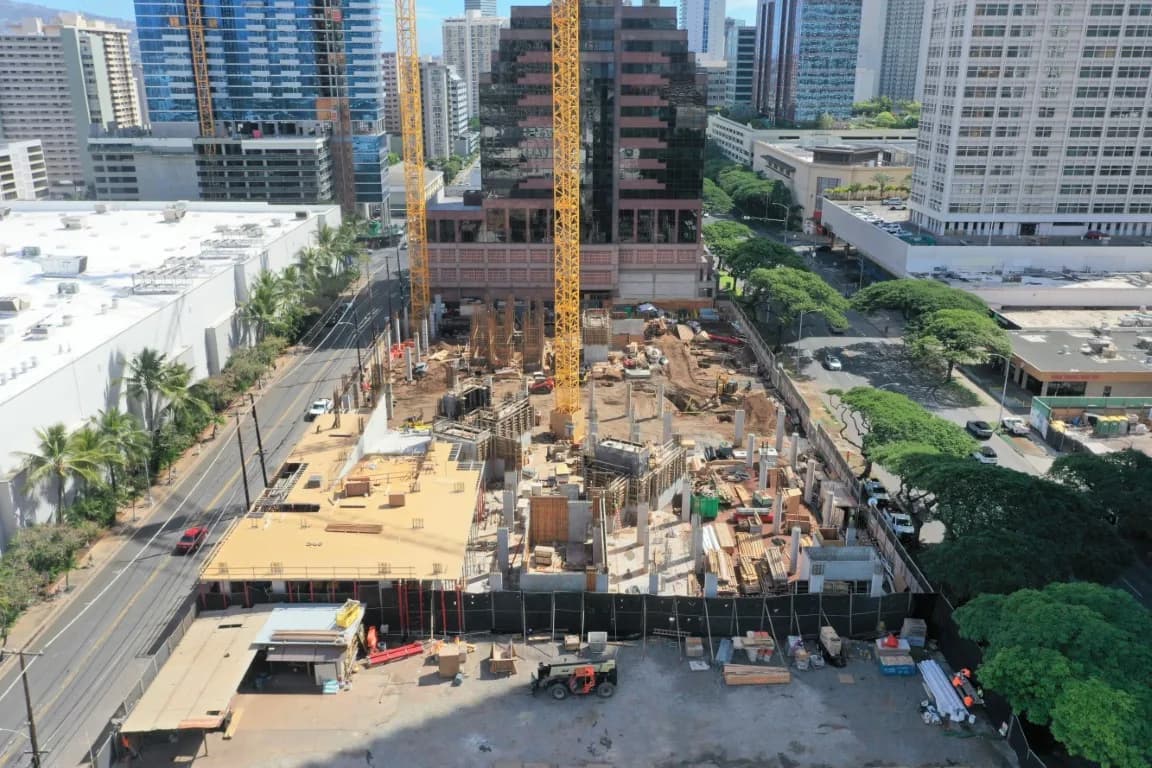
Honolulu and Oʻahu
Inspections scheduled from our downtown Honolulu office, from Kapolei and the North Shore to Kailua and Hawaiʻi Kai.Maui, Molokaʻi and Lānaʻi
Inspections grouped where possible to keep travel efficient.Hawaiʻi Island
Inspections in Hilo, Kona, Waimea and rural districts, often over more than one day for large land.Kauaʻi
Inspections from Līhuʻe to the North and South Shores.Guam, Saipan and the Marshall Islands
Travel planned at engagement, with local records research arranged in advance.


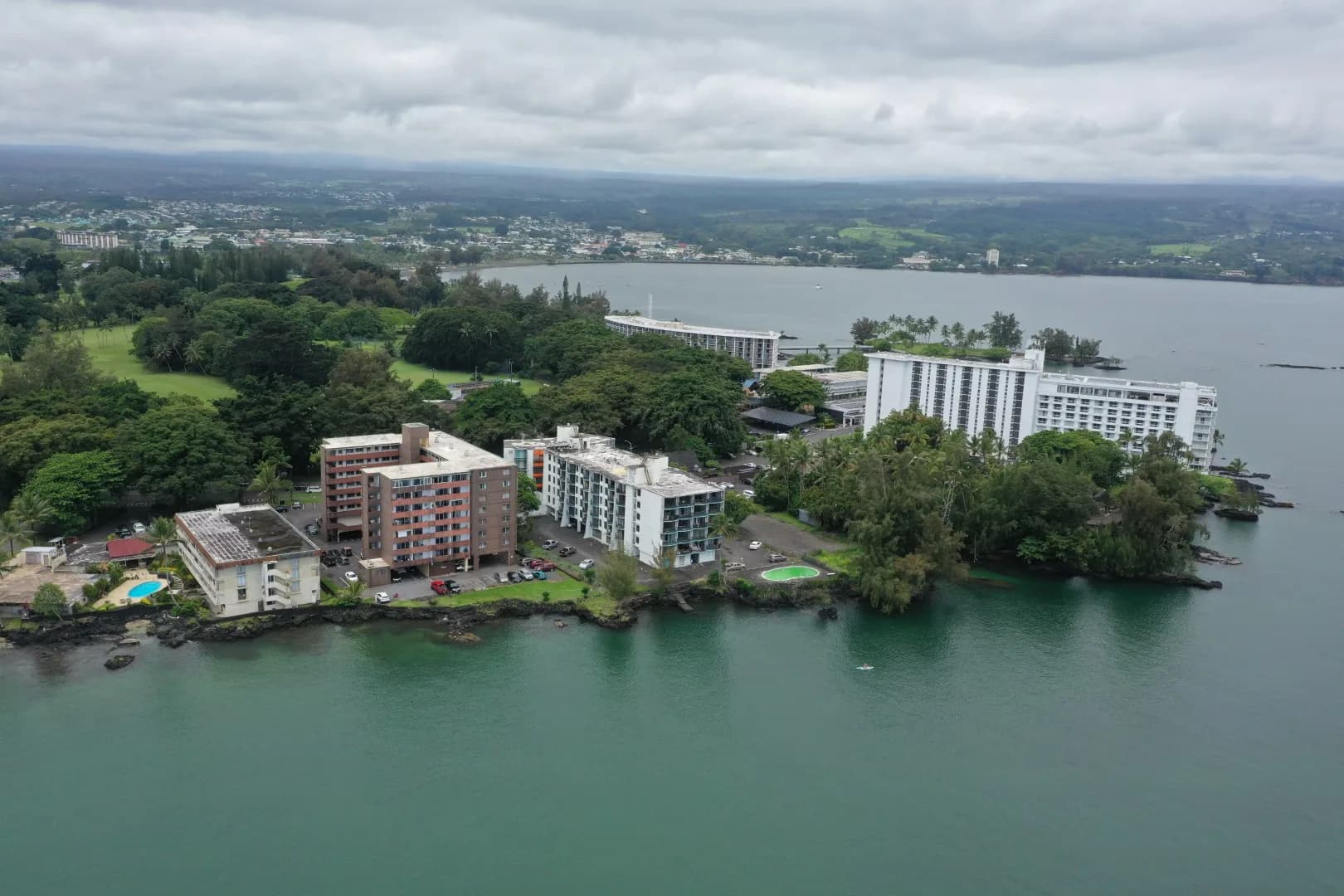
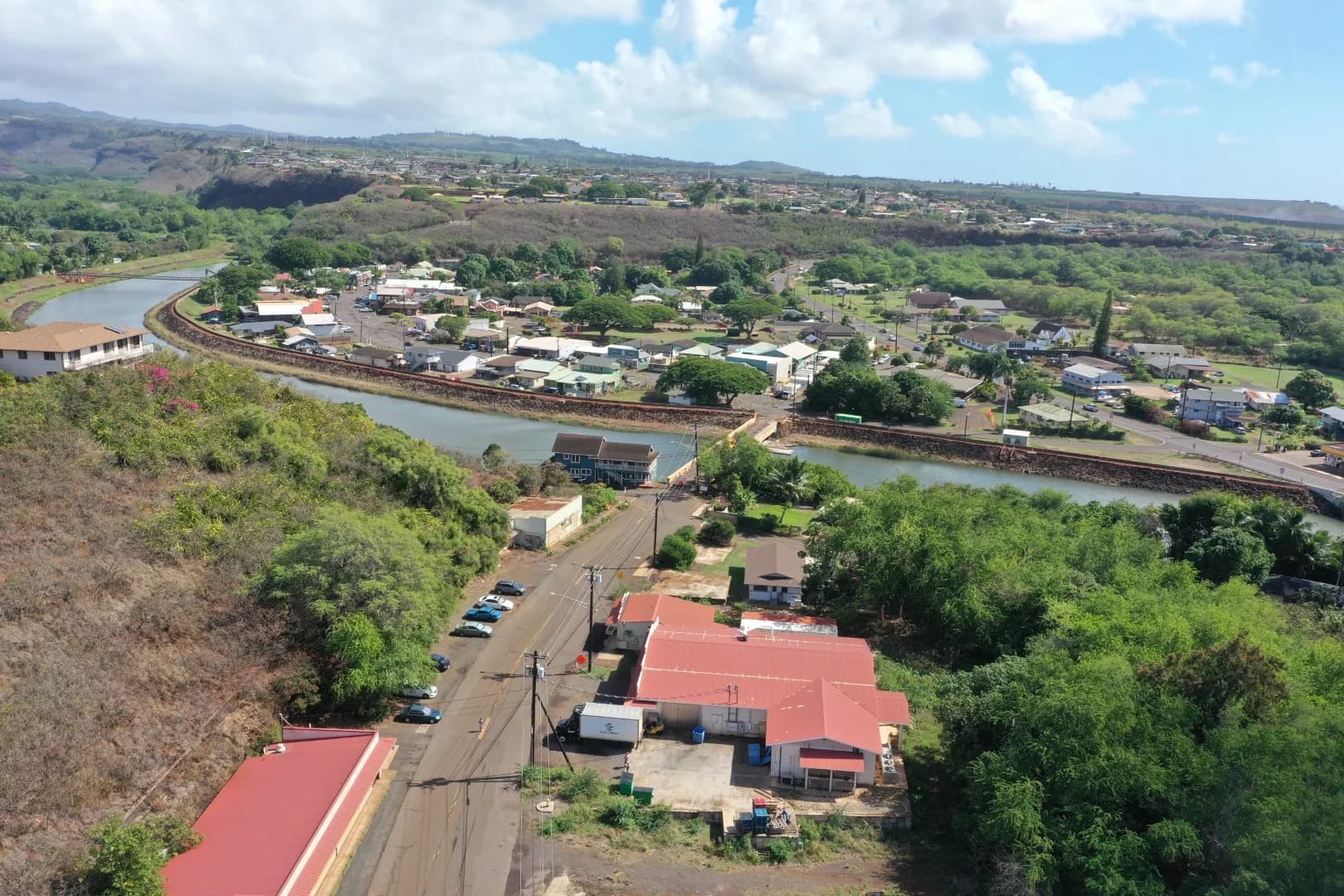
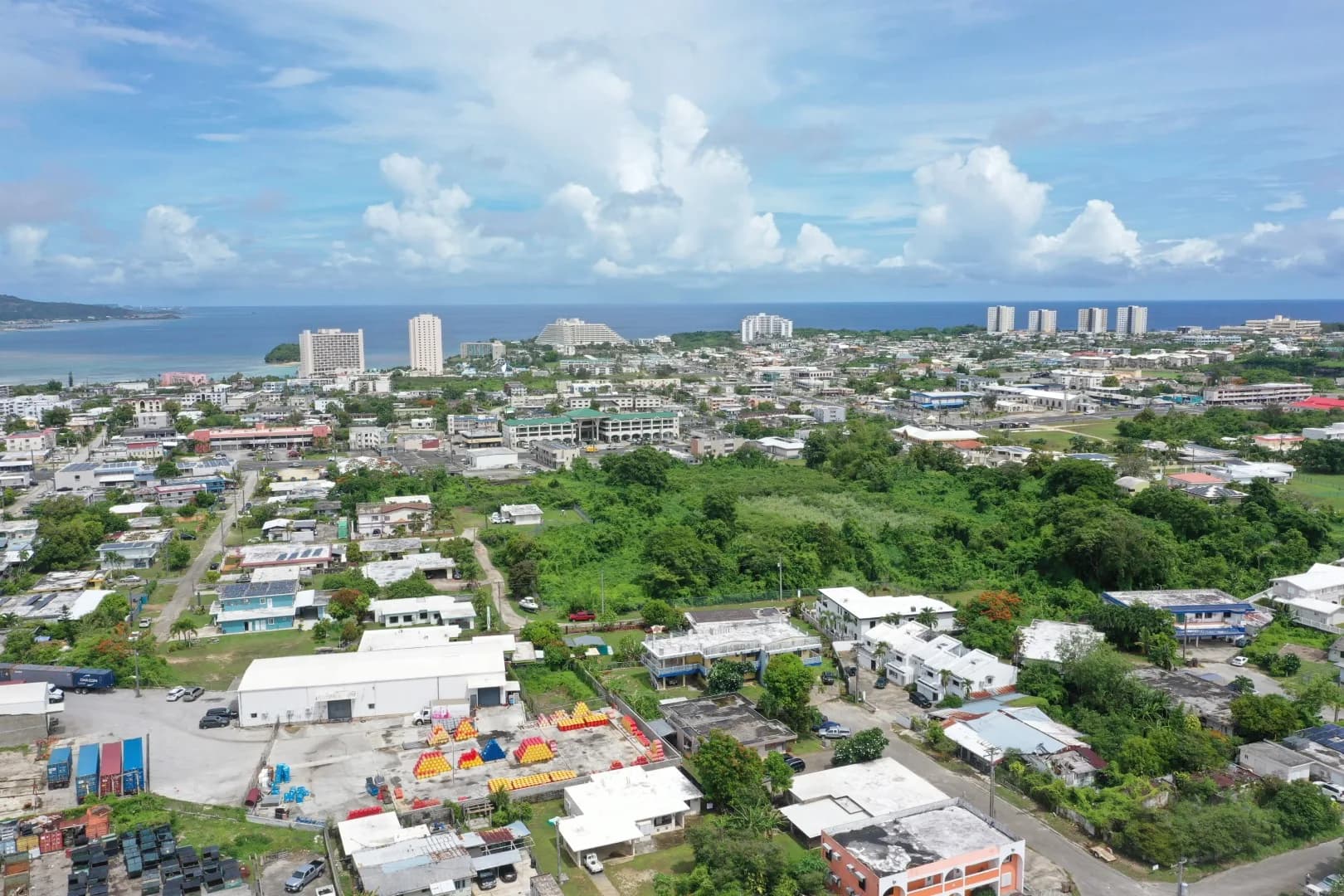
Neighbor island and Pacific travel is built into the fee and delivery date in the engagement letter, so there are no surprises.
Typical
Timelines
Timelines depend on:
| Factor | What varies |
|---|---|
| Property complexity | What variesA single-tenant building vs a multi-tenant center or hotel |
| Location | What variesOʻahu, a neighbor island, or a Pacific island requiring travel |
| Documents | What variesHow quickly leases and statements arrive |
| Report type | What variesA full Appraisal Report vs a Restricted Appraisal Report |
| Special standards | What variesYellow Book, litigation or tax filing requirements |
We confirm the delivery date in the engagement letter before work begins.
What Our Clients Say
Thanks so much for understanding our urgent need and your excellent customer service.
Frequently Asked
Questions
- The plan for an appraisal: what interest is valued, which approaches are used, how much research and inspection are done, and what type of report is delivered. It follows from the intended use.
- The purpose determines the scope, the value definition, the effective date and the report type. A tax appeal, a loan and a lawsuit each need a different appraisal.
- A written agreement setting out the client, intended users, intended use, property interest, fee and delivery date. Work starts once it's signed.
- On many assignments, yes, for factual review. The value conclusion remains our independent opinion.
- Travel to the neighbor islands and the Pacific is included in the fee quoted in the engagement letter, so you know the full cost before work begins.
- Yes. Retrospective appraisals are common for estates, litigation and tax appeals.



Ready for Credible,
Timely Results?
Tell us the property, the purpose, the date of value and the deadline.
Prefer to talk? Call (808) 784-4320