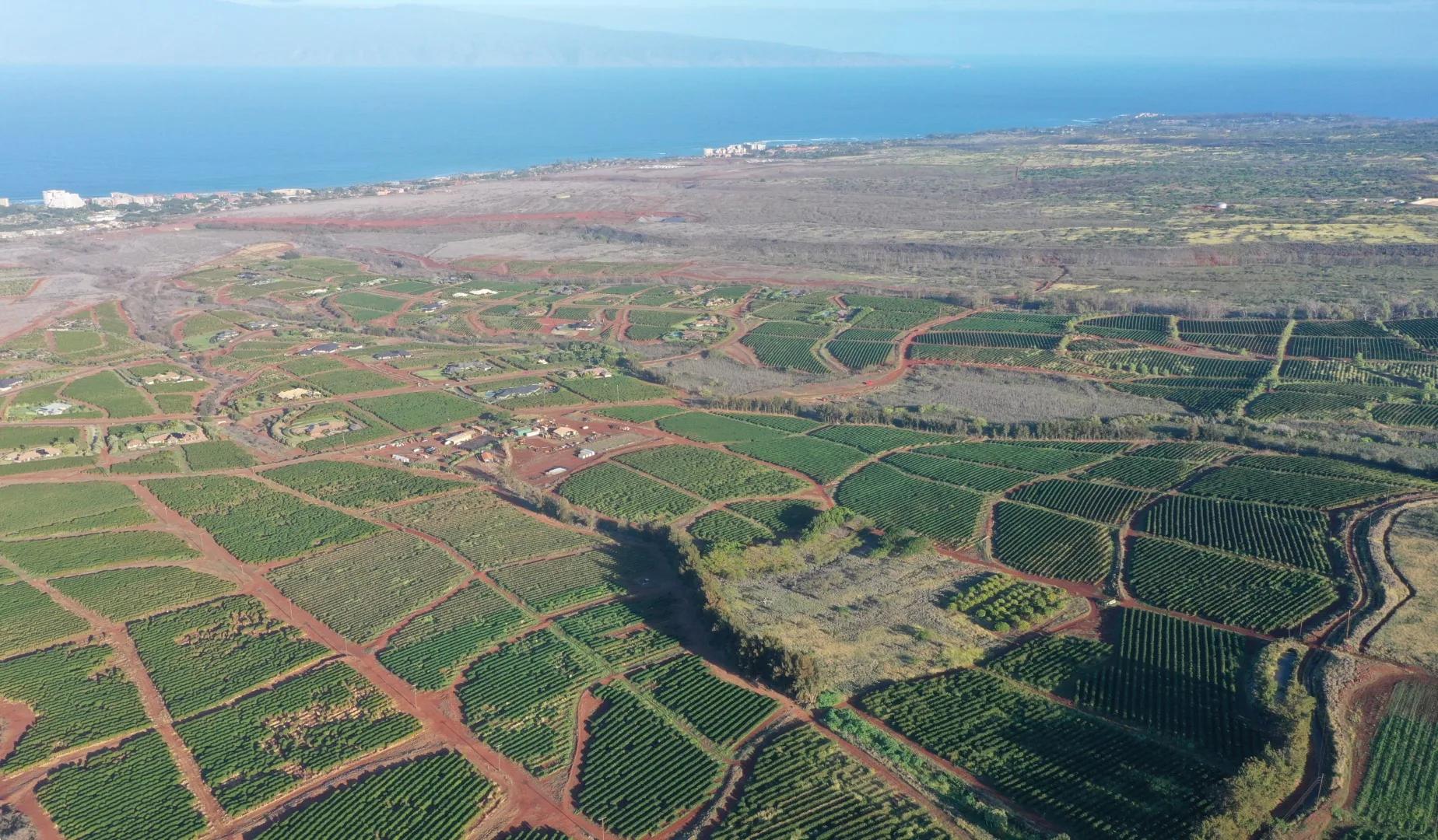
Agricultural, Ranch and Conservation Land Appraisal in Hawaiʻi
An agricultural land appraisal values farms, ranches, orchards and other rural land. In Hawaiʻi, value depends heavily on the State land use district, access to water, topography and soils, and any restrictions such as conservation easements or Important Agricultural Lands designation. Large parcels trade rarely, so each sale must be verified and adjusted with care.
Request a Proposal
Tell us about your assignment
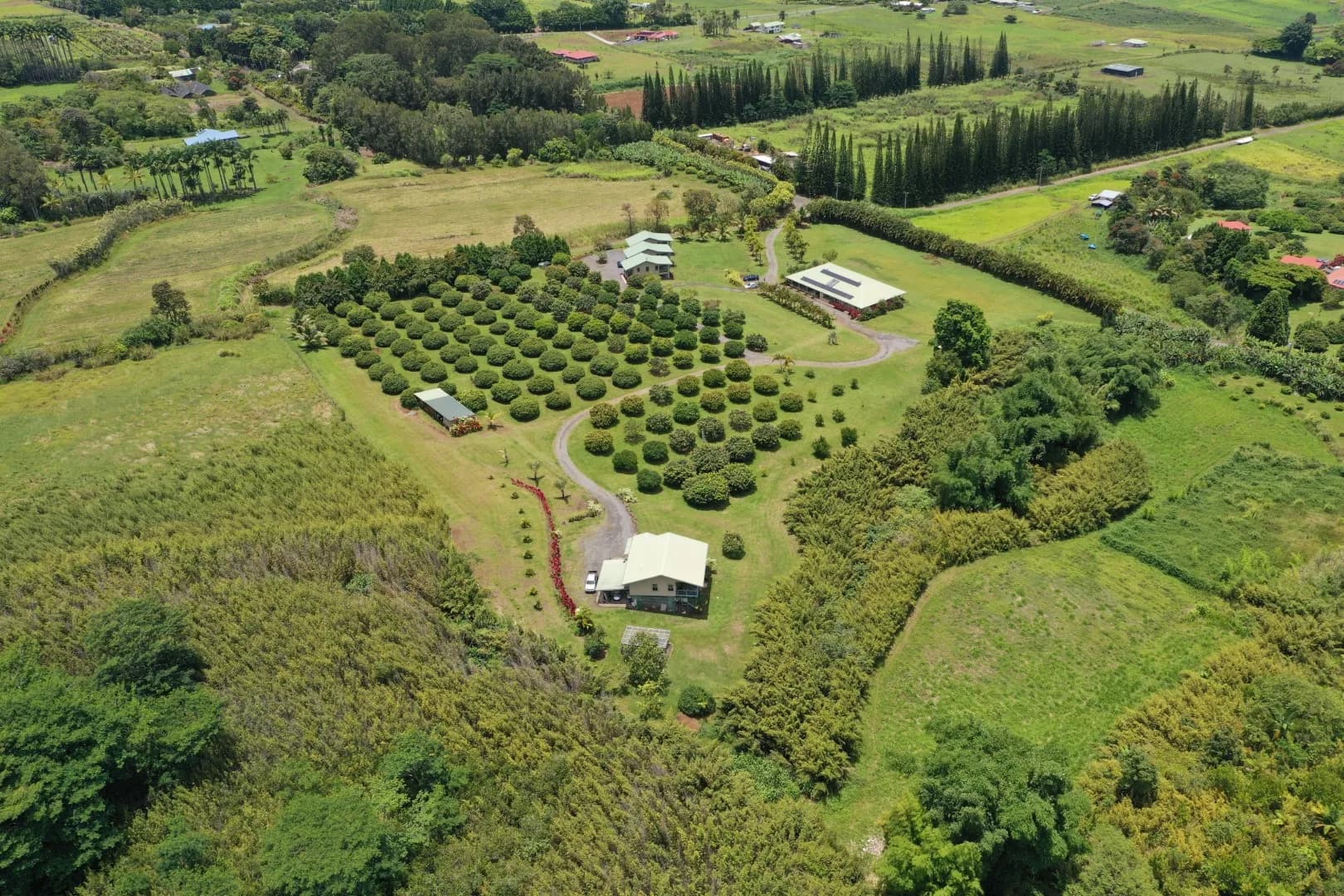
We Walk
the Land
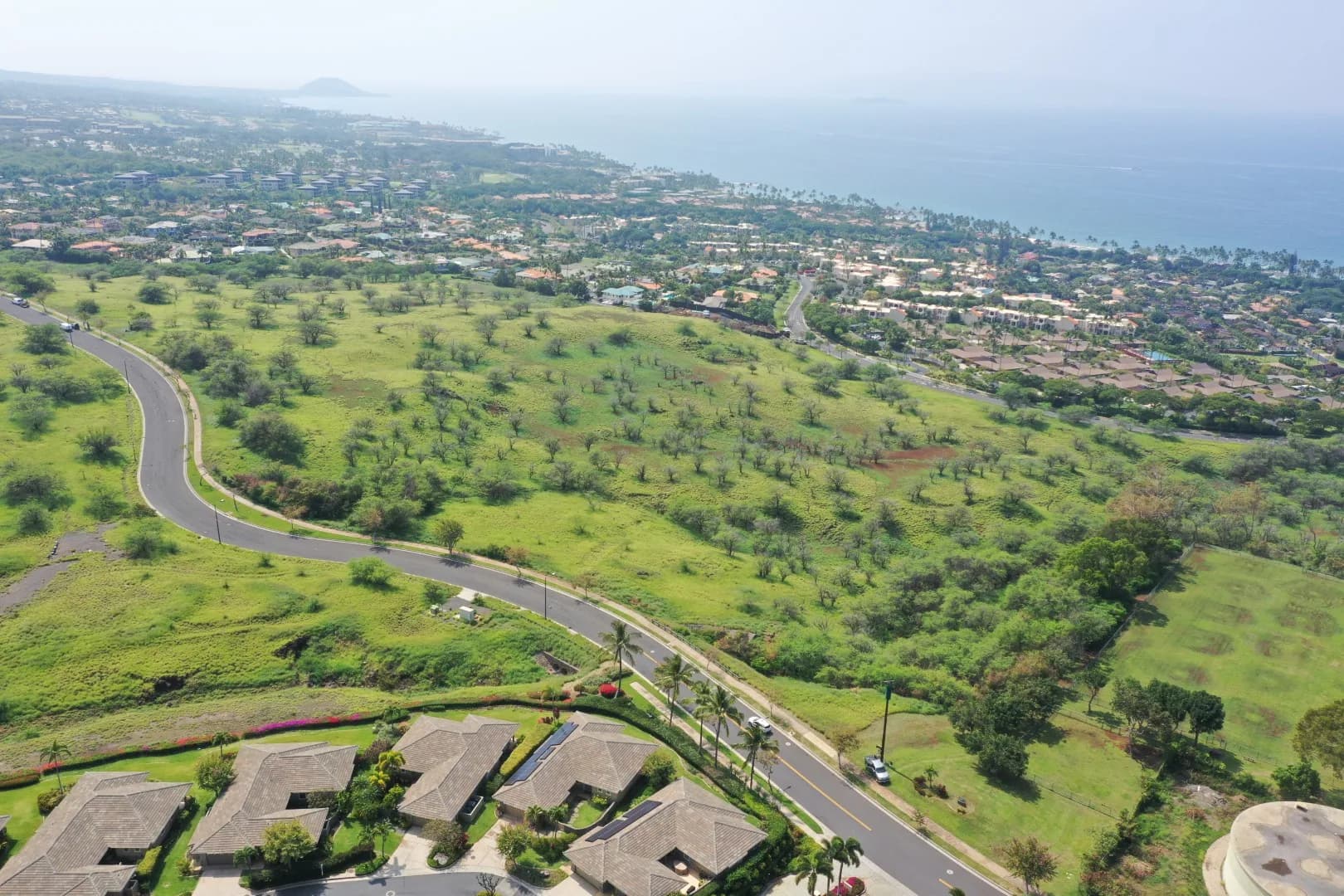
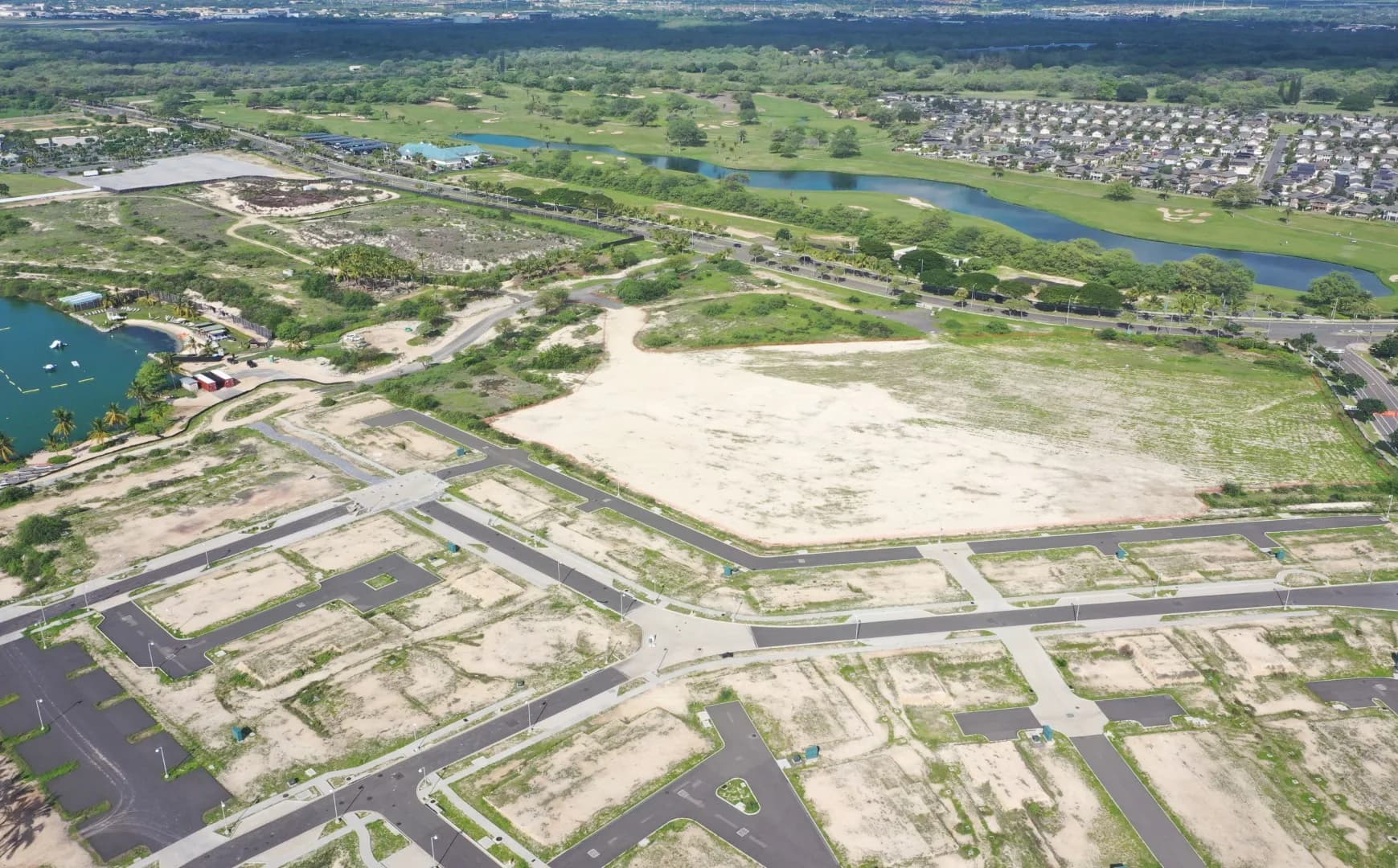
The Benavente Group appraises agricultural, ranch and conservation land from the North Shore of Oʻahu to Waimea, Kona, upcountry Maui and Kauaʻi, for landowners, trusts, lenders, attorneys, land trusts and government agencies. Agriculture is one of the core categories in our portfolio. Our MAI-designated appraisers walk the land, photograph it by drone and research the records that decide what it can be used for.
Agricultural and
Conservation Land Types
| Land type | Typical value drivers |
|---|---|
| Diversified farmland | Typical value driversSoil quality, water supply, slope, access, proximity to markets |
| Pasture and ranch land | Typical value driversCarrying capacity, rainfall, fencing, water systems, scale |
| Orchards and specialty crops | Typical value driversEstablished plantings, irrigation, crop history |
| Former plantation land | Typical value driversSize, infrastructure, irrigation ditches, future use potential |
| Gentleman farms and estates | Typical value driversViews, privacy, farm dwelling rights, lot size |
| Conservation district land | Typical value driversHighly restricted use; value often driven by recreation, preservation or easement potential |
Purposes include sale and purchase, financing, estates and trusts, partition among family owners, government acquisition, lease rents on public agricultural land, and conservation easements.
Water and
Access
On agricultural land, water often decides value more than acreage does. Two parcels of the same size can differ several-fold in value depending on whether they have a reliable irrigation source, a county water meter, well rights or access to a ditch system. We document:
| We document | Covering |
|---|---|
| Water source and reliability | CoveringCounty water, private wells, ditch or irrigation system allocations |
| Water rights and agreements | CoveringAny rights that run with the land, and how secure they are |
| Physical access | CoveringLegal and practical road access, easements and their condition |
| Utilities | CoveringPower availability, which affects farm operations and dwelling potential |
Where water rights are central, we coordinate with the client's attorney on their legal status and value only what the records support.
Land Use Districts
and Restrictions
Every parcel in Hawaiʻi falls into one of four State land use districts: Urban, Rural, Agricultural or Conservation, under HRS Chapter 205. The district sets the outer limits on use before county zoning applies. For agricultural and conservation land, that classification is often the single biggest influence on value.
Other restrictions can apply:
| Restriction | What it means |
|---|---|
| Important Agricultural Lands | What it meansA State designation intended to keep productive land in agriculture, which can limit future reclassification |
| County agricultural dedication | What it meansA lower property tax assessment in exchange for keeping land in agricultural use for a set term, with penalties for breaking the dedication |
| Subdivision and dwelling limits | What it meansLimits on lot size and the number of farm dwellings |
| Recorded covenants and easements | What it meansIncluding existing conservation easements |
We research each one, because a restriction that a buyer would discover in due diligence must be reflected in the value.
Conservation
Easement Valuation
A conservation easement permanently restricts development on land to protect its natural, agricultural or scenic value. Landowners often donate or sell easements to land trusts or government programs, and the value of the easement can support a federal income tax deduction or a purchase price.
Conservation easements are valued with the before-and-after method: the land's market value before the easement, minus its value after the easement's restrictions. The difference is the easement's value. The "before" value depends heavily on highest and best use, and is closely scrutinized.
For donated easements claimed as a tax deduction, the IRS requires a qualified appraisal by a qualified appraiser, and these deductions draw close IRS attention. The appraisal must be thoroughly supported.
Before
The land's market value before the easement
After
Its value after the easement's restrictions
The difference
The easement's value
Rural Land Markets
Across the Islands
| Island | Typical rural land |
|---|---|
| Oʻahu | Typical rural landNorth Shore and Waialua farmland, Kunia and Central Oʻahu agricultural land, Waimānalo farm lots, Windward valley parcels |
| Hawaiʻi Island | Typical rural landWaimea and Kohala ranch land, Kona coffee farms, Hāmākua and Hilo former sugar land, Puna and Kaʻū rural acreage |
| Maui | Typical rural landUpcountry Kula and Makawao farm and ranch land, central Maui former plantation land, East Maui parcels |
| Kauaʻi | Typical rural landKīlauea and North Shore farm lots, Kapaʻa and westside former plantation land |
| Molokaʻi and Lānaʻi | Typical rural landLarge rural holdings with limited sales data |
Rural land values vary sharply between and within islands, driven by rainfall, water, access and the buyer pool. We analyze each parcel against sales from its own region.
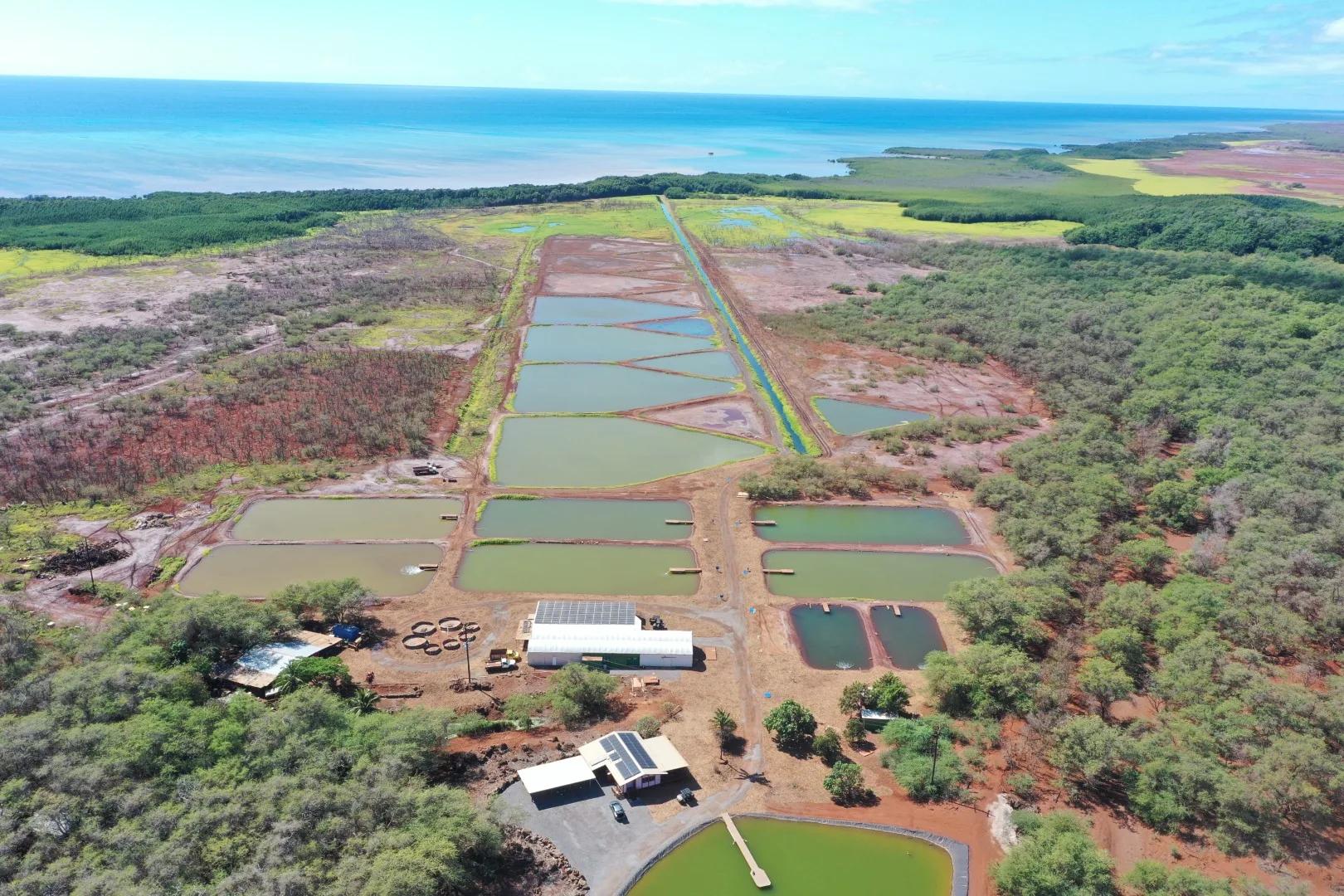
Selected Agricultural
Assignments
What Our Clients Say
Thank you for your research diligence and being a great partner in resolving yet another challenging assignment.
Frequently Asked
Questions
- Mostly by comparison with sales of similar land, adjusted for water, soils, topography, access, size and land use district. Where land produces income, such as ranch or farm leases, an income analysis supports the value.
- Without a reliable water source, much agricultural land can't be farmed intensively. Water access can change the value of otherwise similar parcels several times over.
- The difference between the land's market value before the easement and its value after the restrictions take effect, measured with the before-and-after method.
- For a federal tax deduction, the IRS requires a qualified appraisal prepared by a qualified appraiser. Your tax advisor will confirm the filing requirements.
- Yes. We appraise ranch, farm and rural land across Hawaiʻi Island, including Waimea, Kohala and Kona.
- Yes. We appraise agricultural land across Oʻahu, Maui, Kauaʻi, Molokaʻi and Lānaʻi.

Ready for Credible,
Timely Results?
Send the tax map key, acreage and purpose, and we'll confirm scope, fee and delivery date.
Prefer to talk? Call (808) 784-4320