
Ground Rent Arbitration and Rent Reset Appraisals in Hawaiʻi
A ground rent reopening resets the rent under a long-term ground lease, usually by multiplying the land's fair market value by a rate of return. If lessor and lessee can't agree, many Hawaiʻi leases send the dispute to a panel of appraisers. The party appraiser's job is to support a defensible land value and rate, and to hold that position in front of the panel.
Request a Proposal
Tell us about your assignment
We Start With
the Lease Language
The Benavente Group supports lessors and lessees through ground lease rent reopenings, renegotiations and arbitrations from our Honolulu office, across Oʻahu, Maui, Hawaiʻi Island, Kauaʻi and the Pacific. Our MAI-designated appraisers start with the lease language, because in a rent reset the definition of value written decades ago usually decides more than the market does.
How Hawaiʻi Rent
Arbitrations Work
Many Hawaiʻi ground leases fix rent for set periods, then reopen it at dates written into the lease. The reopening clause typically defines:
| The clause defines | Typically |
|---|---|
| What is valued | TypicallyOften the land as if vacant, sometimes subject to the lease's use restrictions |
| How rent is set | TypicallyCommonly land value multiplied by a rate of return, or fair market rent directly |
| The process | TypicallyA negotiation window, then appraisal or arbitration if no agreement is reached |
| The panel | TypicallyUsually each side appoints an appraiser and the two choose a third, neutral appraiser |
| Deadlines | TypicallyFor appointments, reports and the award |
HRS §519-1
A Hawaiʻi statute shapes many of these valuations. Under HRS §519-1, when a lease of private land bases renegotiated rent on the land's fair market value or highest and best use, that value is calculated on the use to which the lease restricts the land, not on its best possible use under zoning. Residential leases fall under further rules in HRS §519-2.
Party Appraiser vs
Neutral Appraiser
The two roles carry different duties.
| Role | Appointed by | Job |
|---|---|---|
| Party appraiser | Appointed byLessor or lessee | JobPrepare and present a supportable land value and rent conclusion for the appointing party, and test the other side's |
| Neutral (third) appraiser | Appointed byThe two party appraisers, or the lease's procedure | JobWeigh both positions and help decide the rent |
Even as a party appraiser, the opinion must be independent and USPAP-compliant. An appraisal that stretches toward one side tends to lose credibility with the neutral, and with it the arbitration. We prepare positions we can defend line by line.
Land Value and
Rate of Return
Most reopening disputes turn on two numbers.
Land value
We value the land as the lease defines it: as vacant or as restricted, at the reopening date, with the highest and best use limited as the lease and HRS §519-1 require. In Hawaiʻi's thin land markets, that means careful selection and verification of land sales, and clear adjustments for size, zoning, location and use.
Rate of return
The rate converts land value into annual rent. We support it from market evidence: rates in other ground lease reopenings and new ground leases where available, investor return expectations for land, and the risk profile of the specific lease. The rate is often the most contested number in the room, so it needs the most support.
Fair market rent directly
Some leases set rent by comparison with rents on similar land. Then we analyze comparable ground rents, adjusting for term, use and lease conditions.
Preparing Before the
Reopening Date
The best-prepared side usually starts a year or more before the reopening date. Early work lets you:
- 01
Read the lease closely
Confirm the valuation definition, assumptions and deadlines. - 02
Understand the range
A preliminary value shows where a fair rent is likely to land. - 03
Negotiate from evidence
Many reopenings settle once both sides see supported numbers. - 04
Avoid surprises
Use restrictions, easements and title issues found early, not at the hearing.
Use restrictions are the most common surprise.
A restriction that limits the land's use also limits its value, and with it the rent.
Mediation and
Settlement
Not every reopening needs a full arbitration. A well-supported appraisal often brings both parties to agreement in negotiation or mediation, at a fraction of the cost of a contested hearing. We can prepare a consulting value for negotiation first, then a full report if the matter goes to the panel.
Rent Reopenings
Across the Islands
| Market | Typical leases |
|---|---|
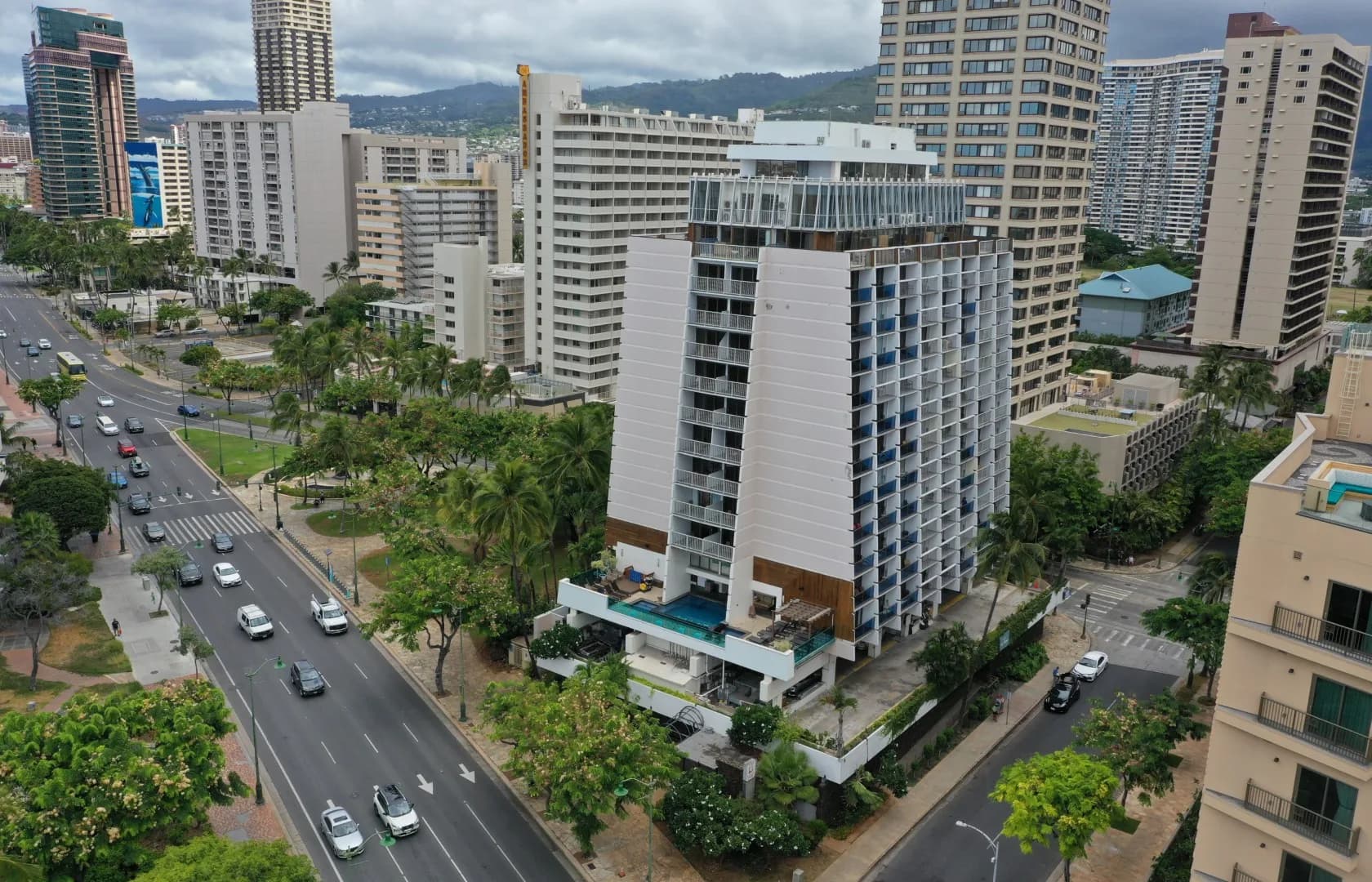
| Honolulu and Oʻahu | Typical leasesCommercial ground leases downtown and in Kakaʻako, hotel and retail land in Waikīkī, industrial ground leases around Māpunapuna, the airport and Sand Island, and leasehold land in Kapolei |
| Maui | Typical leasesResort and commercial ground leases in Kāʻanapali, Wailea and Kahului |
| Hawaiʻi Island | Typical leasesResort and commercial land in Kailua-Kona, Waikoloa and the Kohala Coast, and State-leased land in Hilo |
| Kauaʻi | Typical leasesCommercial and resort ground leases around Līhuʻe and Poʻipū |
| State and county land | Typical leasesAgricultural, industrial and commercial leases on public land, which reopen on their own schedules |
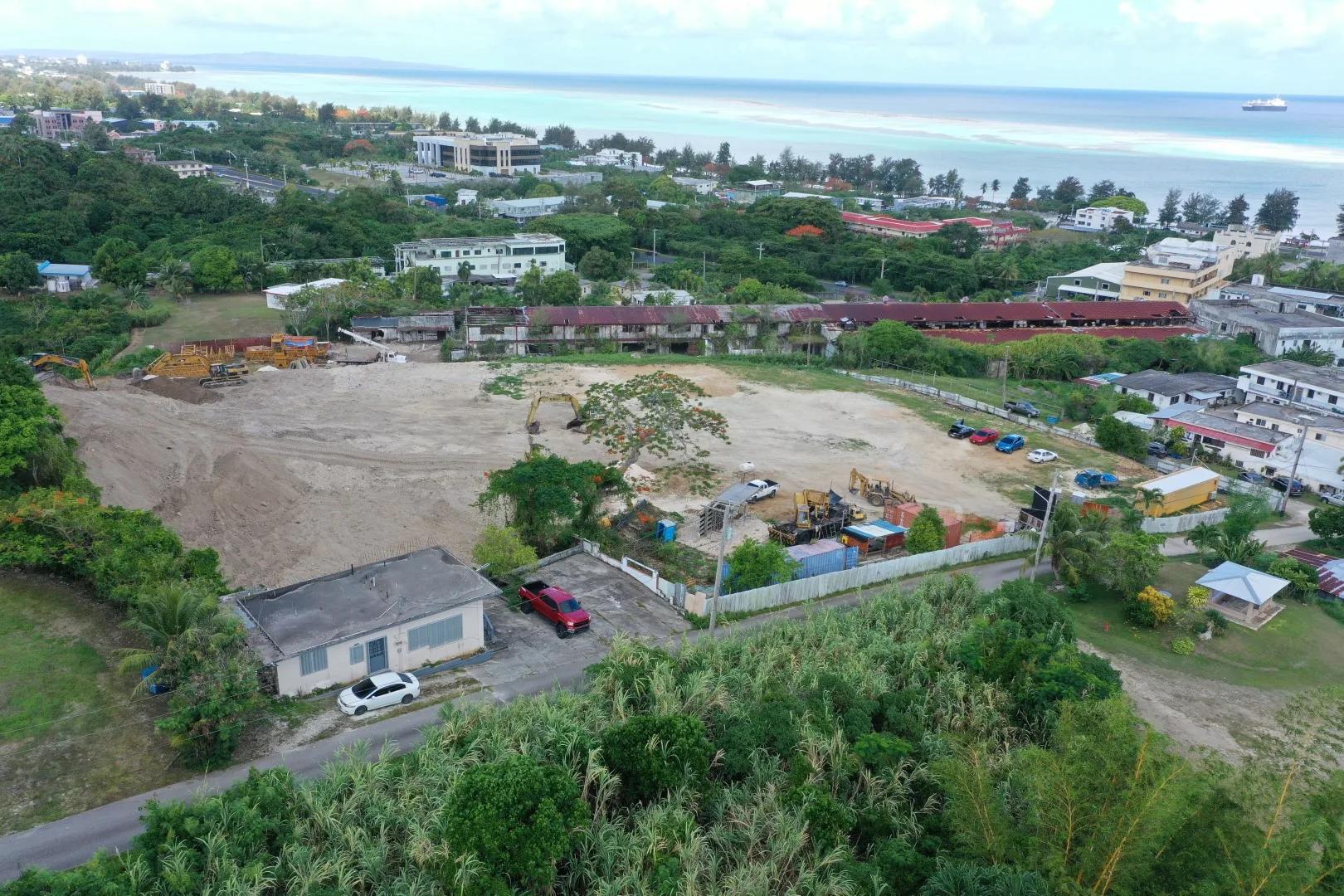
| Guam, Saipan and the Marshall Islands | Typical leasesLong-term leases of private and government land |
Land values and rates of return differ by island and submarket, so we support each reopening with evidence from its own market.
What Our Clients Say
As part of this assignment, TBG was able to uncover material use restrictions associated with this property that were appropriately treated in the valuation. As a result, our company was able to appropriately respond to the ground lessor's ground lease renegotiation offer.
Frequently Asked
Questions
- Usually by the method in the lease, most often the land's fair market value multiplied by a rate of return. If the parties can't agree, the lease generally provides for appraisal or arbitration by a panel.
- Under HRS §519-1, when renegotiated rent depends on the land's value, that value is calculated on the use the lease restricts the land to. The lease language also matters, so read it closely before the reopening.
- Prepares an independent appraisal of land value and rent for the side that appointed them, presents it to the panel, and reviews the other side's appraisal.
- Ideally a year or more before the reopening date. That leaves time to read the lease, understand the likely range and negotiate before deadlines apply.
- Yes. Many settle once both sides see supported values. A consulting appraisal can help set a negotiating position first.
- Yes. We support rent reopenings across all four Hawaiʻi counties, as well as in Guam, Saipan and the Marshall Islands.
- Both, on separate matters after a conflict check.


Ready for Credible,
Timely Results?
Send us the lease and the reopening date, and we'll confirm availability after a conflict check.
Prefer to talk? Call (808) 784-4320