Construction Loan
Appraisals in Hawaiʻi
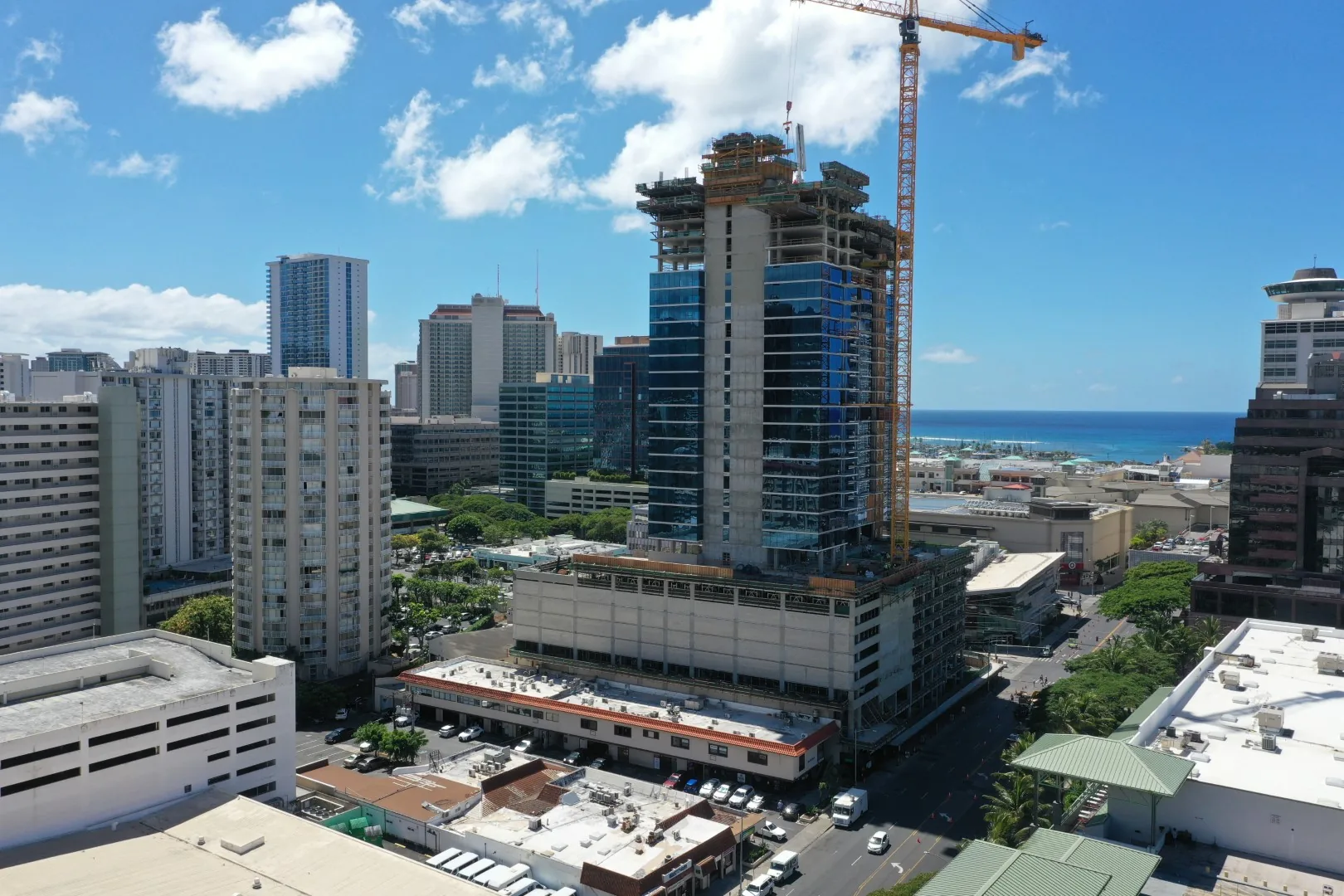
A construction loan appraisal values a project that doesn't exist yet. It gives the lender up to three values: the site or property as it is today (as-is), the project when construction is finished (as-complete), and the project once it is leased or sold to stable occupancy (as-stabilized). Lenders size and monitor the loan against those values.
Request a Proposal
Tell us about your assignment
We Test the Assumptions
Under Every Value
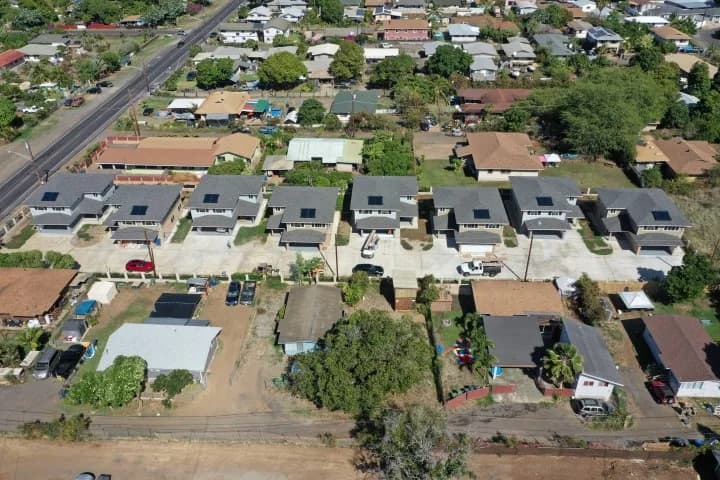
The Benavente Group prepares construction and development loan appraisals from our Honolulu office for banks, credit unions, private lenders and developers across Oʻahu, Maui, Hawaiʻi Island, Kauaʻi and the Pacific. Our MAI-designated appraisers test the plans, the budget and the market behind each prospective value, because a construction appraisal is only as reliable as the assumptions under it.
As-Is, As-Complete and
As-Stabilized Values
| Value | Date of value | What it answers |
|---|---|---|
| As-is | Date of valueToday | What it answersWhat the land, or the partly built property, is worth now |
| As-complete | Date of valueExpected completion date | What it answersWhat the finished project is worth before it is fully leased or sold |
| As-stabilized | Date of valueExpected end of lease-up | What it answersWhat the project is worth once occupancy reaches a stable level |
Our report states those assumptions plainly, so a reviewer knows exactly what each value depends on.
The as-complete and as-stabilized values are prospective market values: opinions of value as of a future date, based on what the market is expected to support then. They rest on stated assumptions, such as the project being built as designed, on budget and on time. Our report states those assumptions plainly, so a reviewer knows exactly what each value depends on.
For for-sale projects such as condominiums or subdivisions, the appraisal also considers the pace and pricing of sales, and may conclude a bulk value for unsold units.
Plans, Budgets and
Cost Support
A prospective value starts with the project itself. We review:
| We review | Covering |
|---|---|
| 01Plans and specifications | CoveringBuilding size, unit mix, quality and site layout |
| 02The construction budget | CoveringHard costs, site work, soft costs, contingency and financing costs |
| 03Entitlement status | CoveringZoning, permits and any outstanding approvals |
| 04The schedule | CoveringConstruction period and expected completion |
A budget that would be realistic in Phoenix can be badly short in Kona.
We compare the budget with cost data for similar Hawaiʻi projects and flag line items that look light. Construction costs in the islands run well above mainland averages, and higher again on neighbor islands and in the Pacific, where materials and labor must be shipped in. A budget that would be realistic in Phoenix can be badly short in Kona. The cost approach in the report gives the lender a separate check on whether the completed value supports what is being spent.
Lease-Up and
Absorption
The gap between as-complete and as-stabilized value is the cost and risk of lease-up. We estimate:
- How long the project will take to reach stabilized occupancy
- Rent levels and concessions during lease-up
- Leasing commissions, tenant improvements and carrying costs
- Absorption evidence from comparable recent projects in the same submarket
In small island markets, absorption can vary sharply with a single competing project. We look at what is actually in the pipeline in the project's own submarket, not national averages.
What Lender
Reviewers Check
Construction appraisals for federally regulated lenders are prepared under Title XI of FIRREA, USPAP and the Interagency Appraisal and Evaluation Guidelines (OCC summary). Reviewers typically look for:
- 01
Each value clearly labelled
With its own effective date and the assumptions it depends on.
- 02
Cost support
That reconciles the budget with market evidence.
- 03
Absorption and lease-up support
Drawn from comparable projects.
- 04
Market rent and cap rate support
For the stabilized value.
- 05
Highest and best use
Analysis of the site and the proposed project.
- 06
A clear scope of work
Matching the lender's engagement letter.
We build reports around these points so the review moves quickly. Lenders ordering through an appraisal panel can engage us directly under their own engagement letter.
Construction Appraisals
Across the Islands
Honolulu and Oʻahu
High-rise and mid-rise residential and mixed-use towers in Kakaʻako, Ala Moana and downtown, industrial and distribution buildings in Kapolei and Campbell Industrial Park, and master-planned growth in ʻEwa and Central Oʻahu.Maui
Rebuilding and new construction in West Maui, residential and commercial projects in Kahului, Kīhei and Wailea.Hawaiʻi Island
Residential, commercial and resort projects in Kailua-Kona, Waikoloa and Hilo.Kauaʻi
Residential and visitor-related projects around Līhuʻe, Kapaʻa and Poʻipū.Guam, Saipan and the Marshall Islands
Commercial, residential and hospitality projects where shipping, labor and schedule risk weigh heavily on cost.
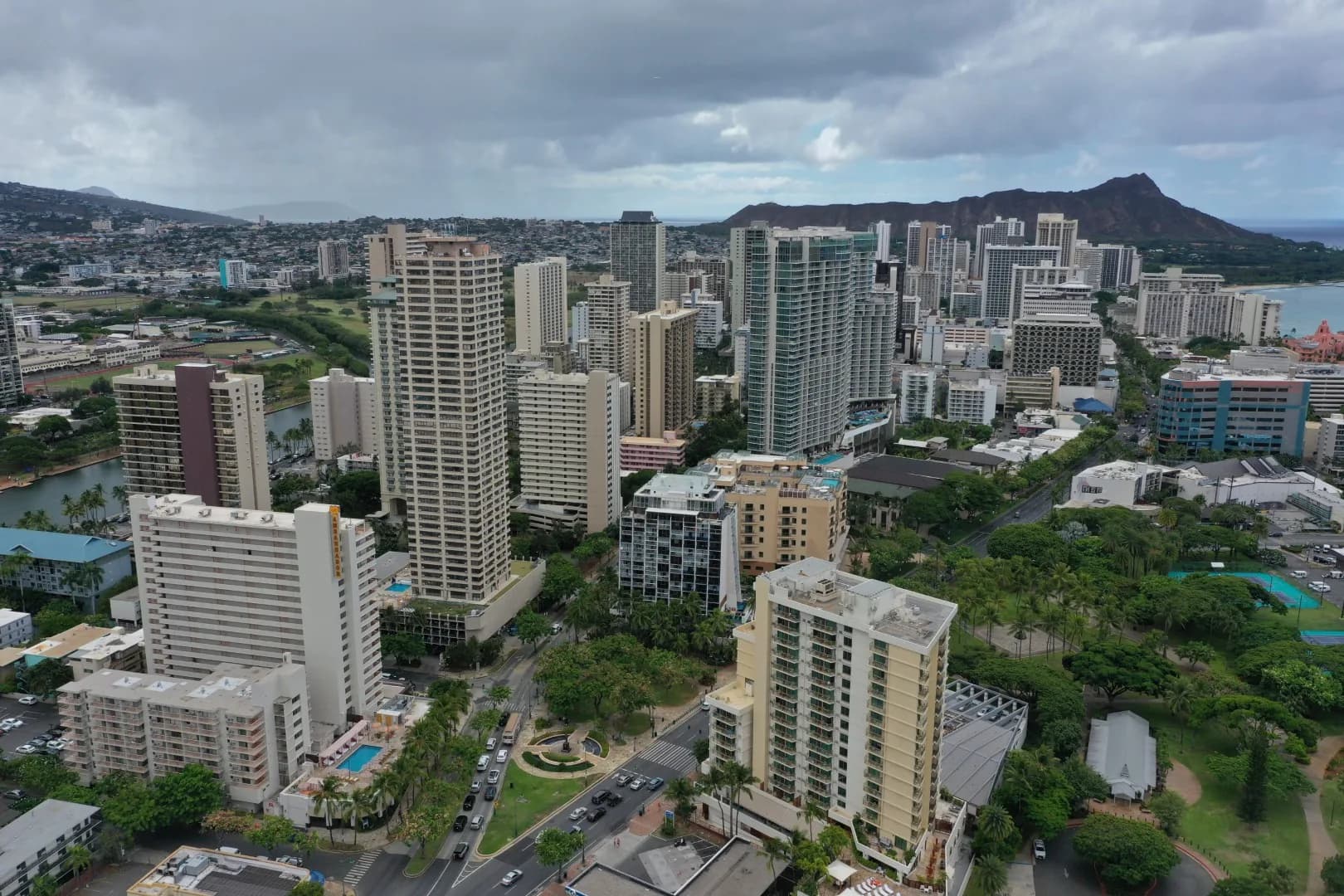

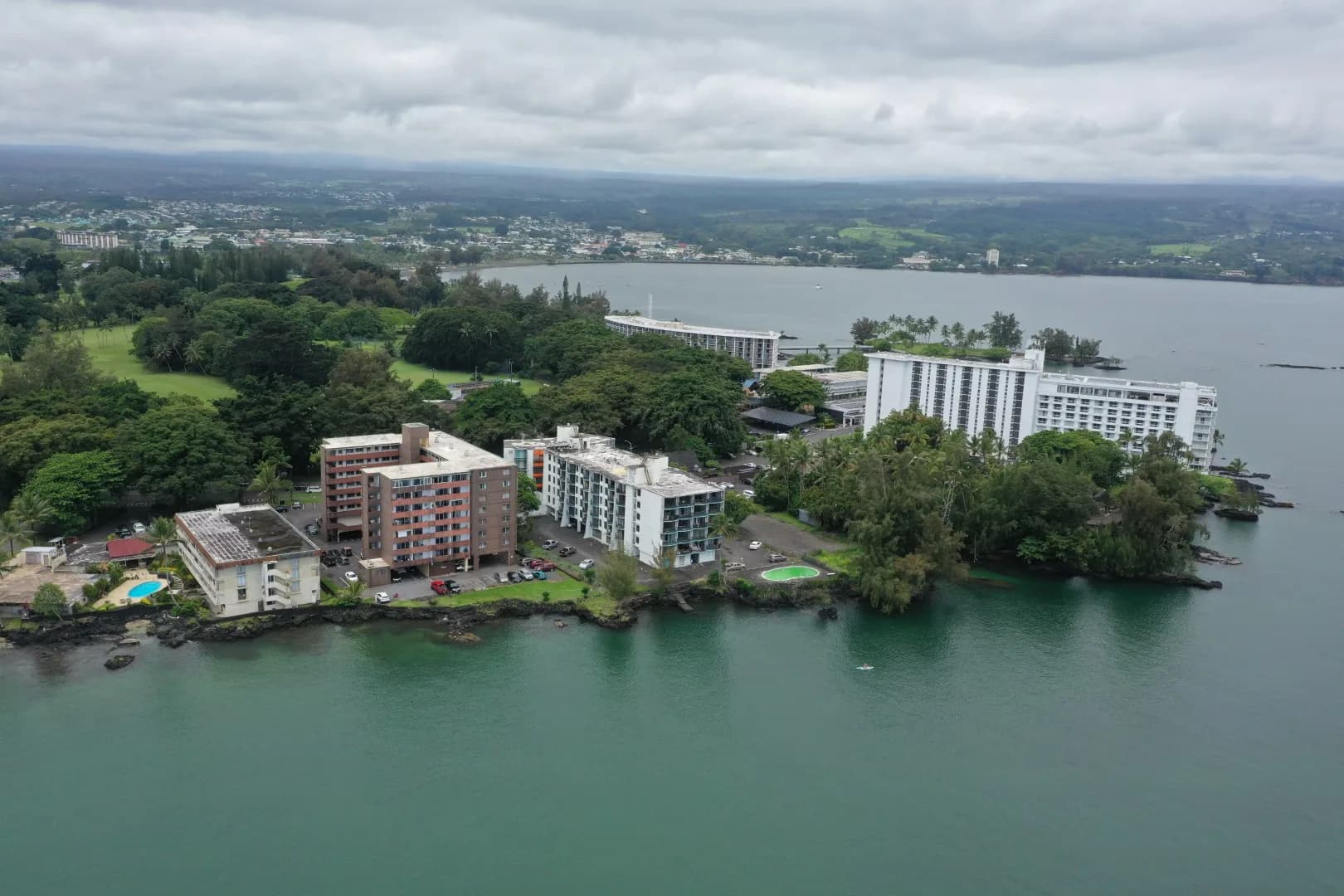
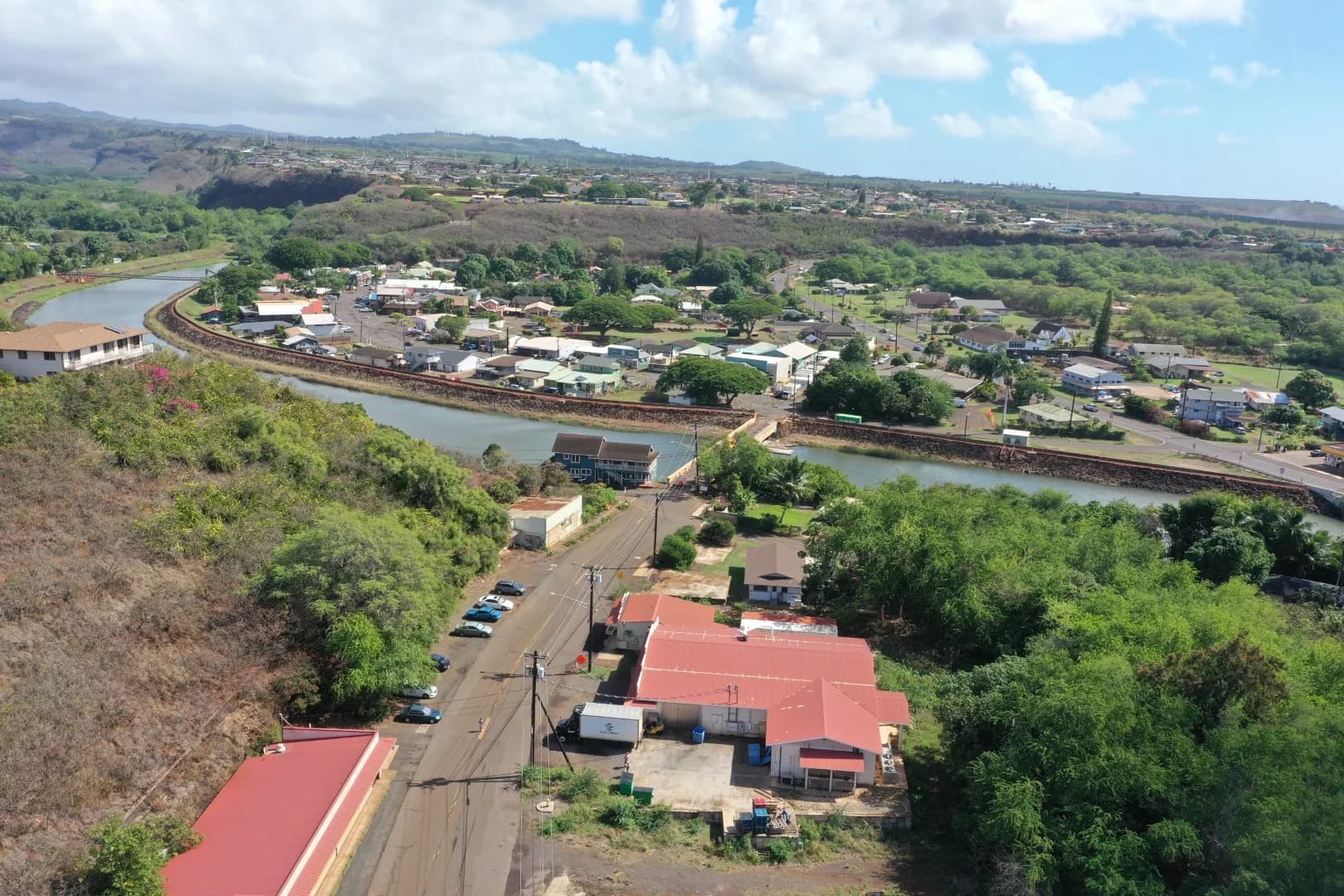
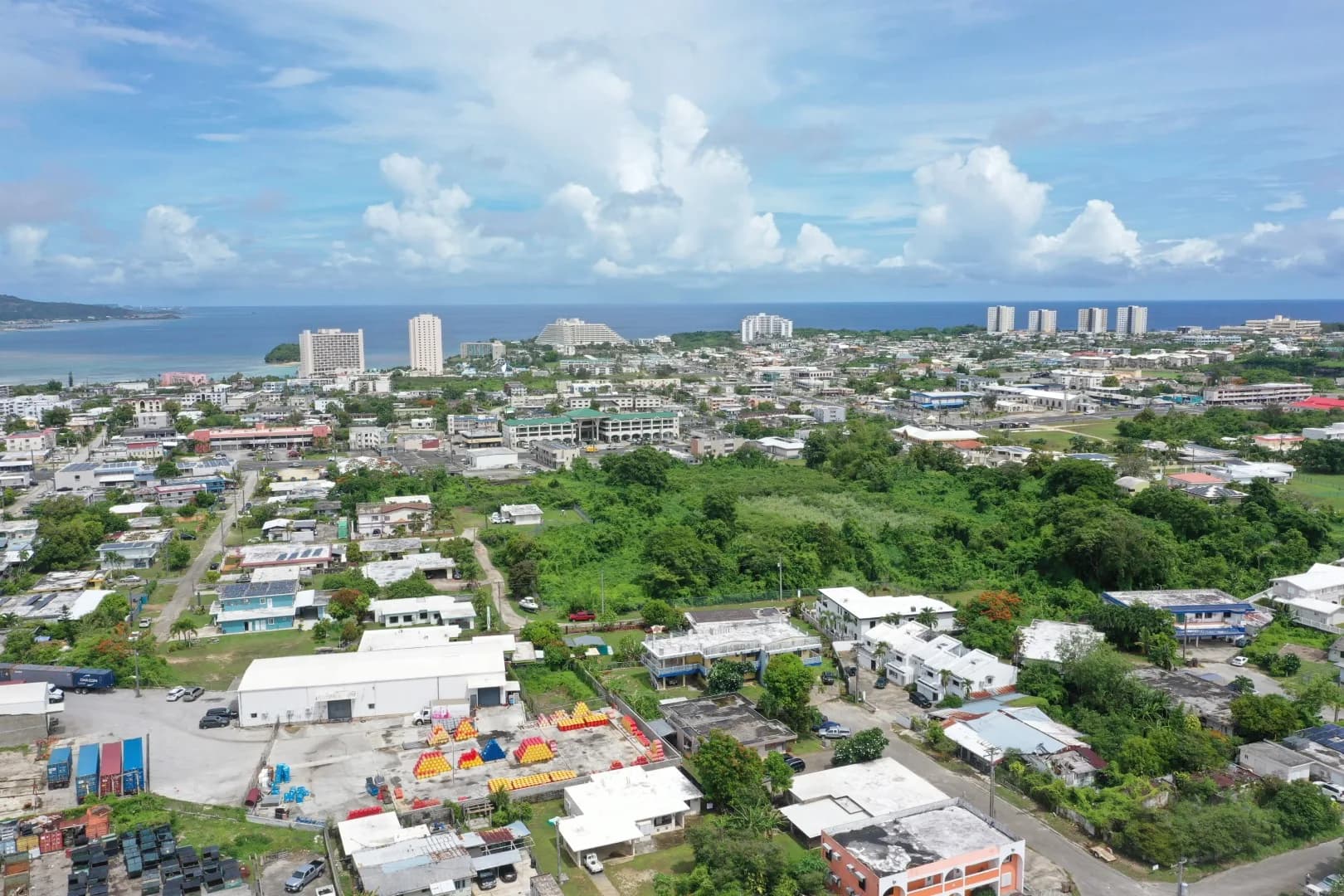
Each market has its own cost premium, absorption pace and buyer pool, and we analyze the project within its own submarket.
Timing and Lender
Communication
Construction loans run to tight closing schedules. We confirm the delivery date in the engagement letter before work begins, keep the lender and borrower informed of any missing documents, and flag issues early, such as a budget gap or an entitlement question, rather than at delivery. Timing depends on project size, the completeness of plans and budget, and location.
Documents That Speed Up the Appraisal
- Plans and specifications, or the latest design set
- Detailed construction budget and schedule
- Entitlement and permit status
- Pre-leasing or pre-sales agreements, if any
- Pro forma rents and operating expenses
- Purchase agreement for the land, if recent
What Our Clients Say
I've seen lots of appraisals and this is best I've reviewed. Lots of detail and I learned a lot from it. Thank you.
Frequently Asked
Questions
- An appraisal of a proposed or partly built project as of its expected completion date, assuming it is built as planned. It is a prospective value, so it is based on the market expected at completion.
- As-complete is the value when construction ends. As-stabilized is the value once the property has leased or sold to a stable occupancy. The difference reflects lease-up time, cost and risk.
- Yes. We value proposed for-sale projects, including sellout pace and pricing, and the bulk value of unsold units where the lender requires it.
- We compare the budget with market cost data and flag items that look unsupported. We are not cost estimators, so for a detailed cost review, lenders may also use a construction consultant.
- Federally regulated lenders generally must engage the appraiser themselves. If you are a borrower, ask your lender to contact us.
- Yes. We appraise construction projects across all four Hawaiʻi counties and in Guam, Saipan and the Marshall Islands.

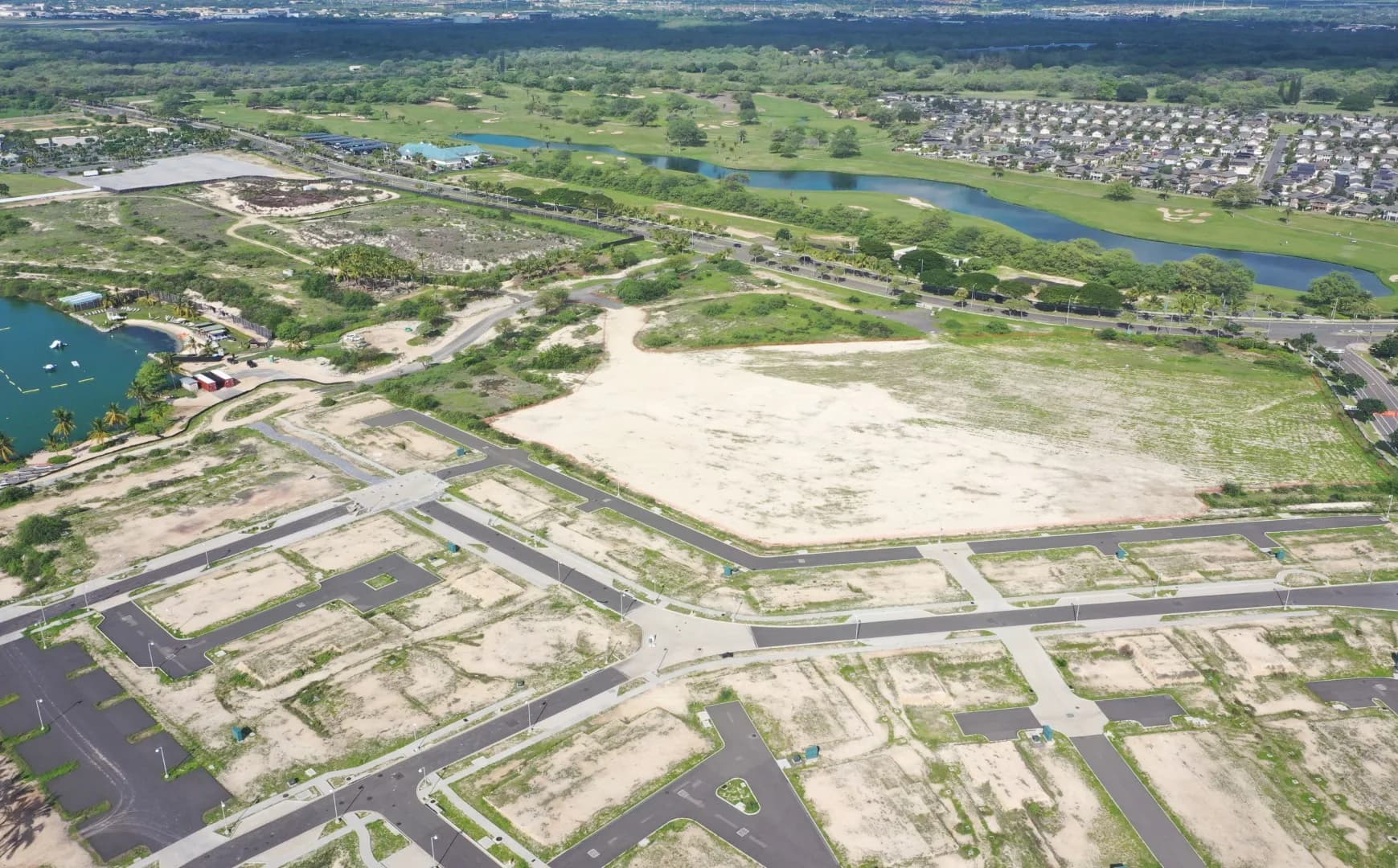
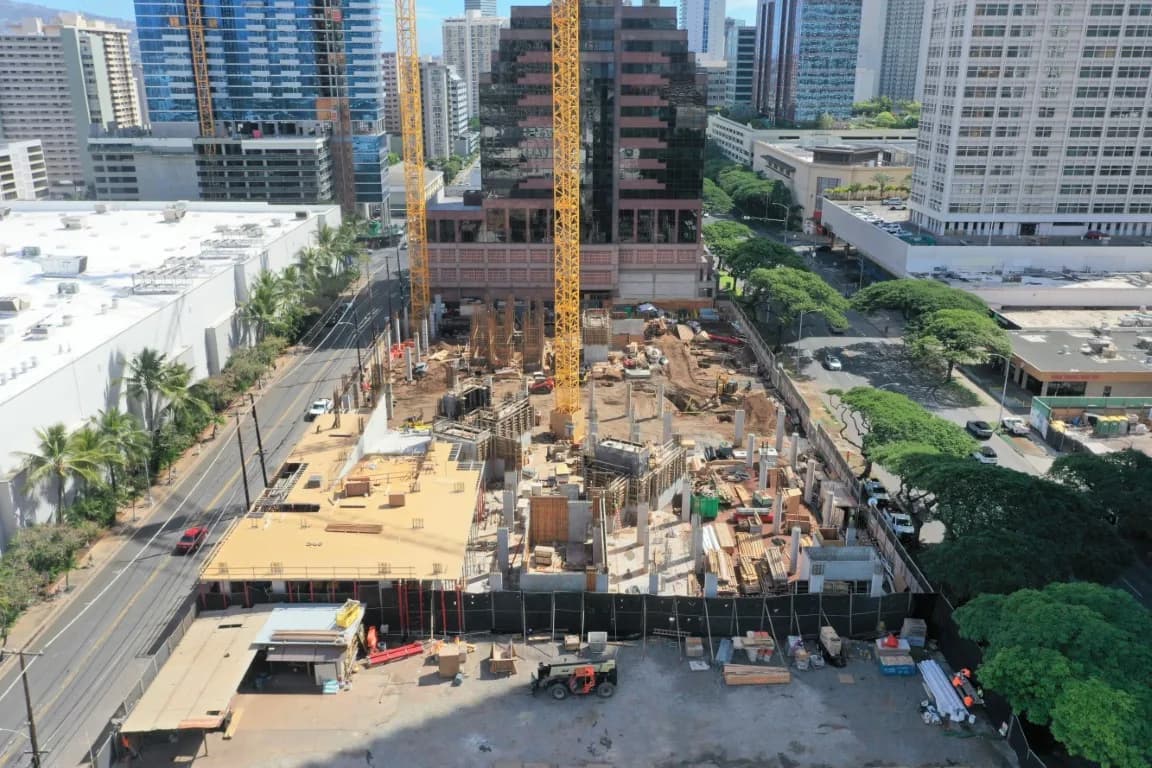
Ready for Credible,
Timely Results?
Send the plans, budget and closing date, and we'll confirm scope, fee and delivery date.
Prefer to talk? Call (808) 784-4320